2026-10-24 ·
Seasonal Pollen and Air Duct Concerns in Oakley During Spring
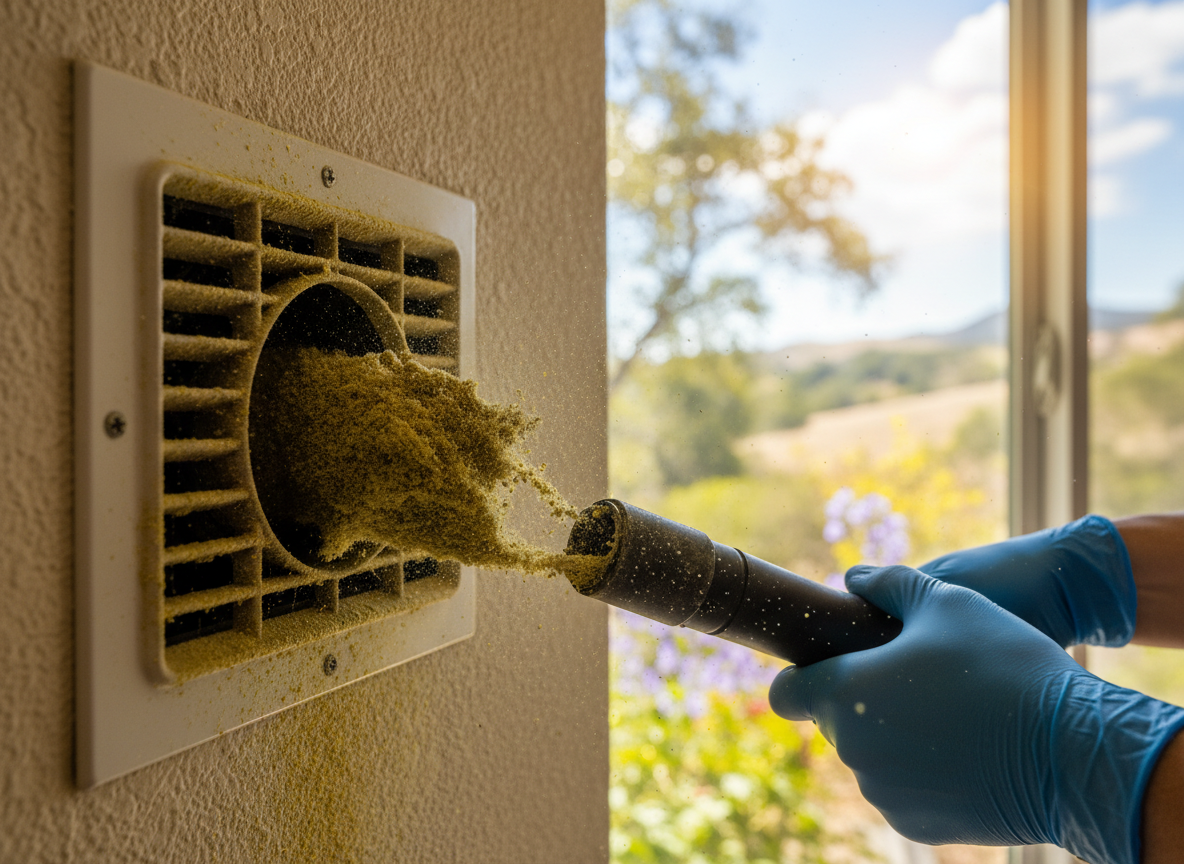
Spring pollen creates measurable pressure on air ducts in Oakley homes because tree pollen counts spike from March through May and older forced-air systems pull in outdoor air through unsealed joints. Homes built before 1970 in Oakley East and Oakley West often have duct runs with gaps that allow fine particles to settle along the full length of supply lines rather than staying in the filter.
How Spring Pollen Moves Through Oakley Ductwork
Oakley sits in a low-lying section of Hamilton County where prevailing winds carry pollen from the surrounding hills into residential blocks. Once inside, the pollen travels through return ducts located in basements or crawl spaces that stay cooler and damper during early spring rains. This moisture causes pollen to clump and stick to the interior walls of metal ducts, reducing airflow over time. Residents in nearby Hyde Park and Evanston report similar patterns because the housing stock shares the same pre-1960 construction style with limited insulation around duct joints. Regular visual checks at registers in living areas reveal a fine yellow film that reappears within days after wiping, indicating ongoing infiltration rather than isolated events.
Duct Conditions Common in Oakley Housing Stock
Many Oakley properties still use original galvanized ducts installed when the neighborhood developed, and these runs often include long horizontal sections that trap settling pollen. Spring humidity levels in the 60-80 percent range keep the particles from drying and becoming airborne again, so they remain in place until disturbed by fan operation. In contrast, homes in Pleasant Ridge and Kennedy Heights that have undergone partial duct replacements show less accumulation because newer sections have smoother interiors. The difference appears most clearly during the first warm spell when systems switch from heating to cooling and fans run longer cycles. Checking the condition of ducts near the furnace in the basement gives the clearest view of how much material has built up since the previous season.
Practical Monitoring Steps for Oakley Residents
Start by removing a few supply registers in main living spaces and shining a flashlight into the duct opening to look for visible layers on the bottom surface. Note any musty odor that strengthens when the system runs, which often signals pollen mixed with minor moisture in lower duct runs. Track how quickly dust returns to flat surfaces after cleaning; in Oakley homes this interval shortens noticeably between April and June. For properties near Norwood or Silverton with shared tree lines, compare readings from multiple rooms because pollen entry points vary with wind direction and window placement. These observations provide concrete data before deciding on any further action.
Homeowners who notice persistent patterns can review the Step-by-Step Guide to Inspecting Air Ducts for Homeowners for a structured approach tailored to local systems. Those considering service options may also examine What Influences Air Duct Cleaning Costs Around Oakley to understand typical scope for homes of similar age and layout.